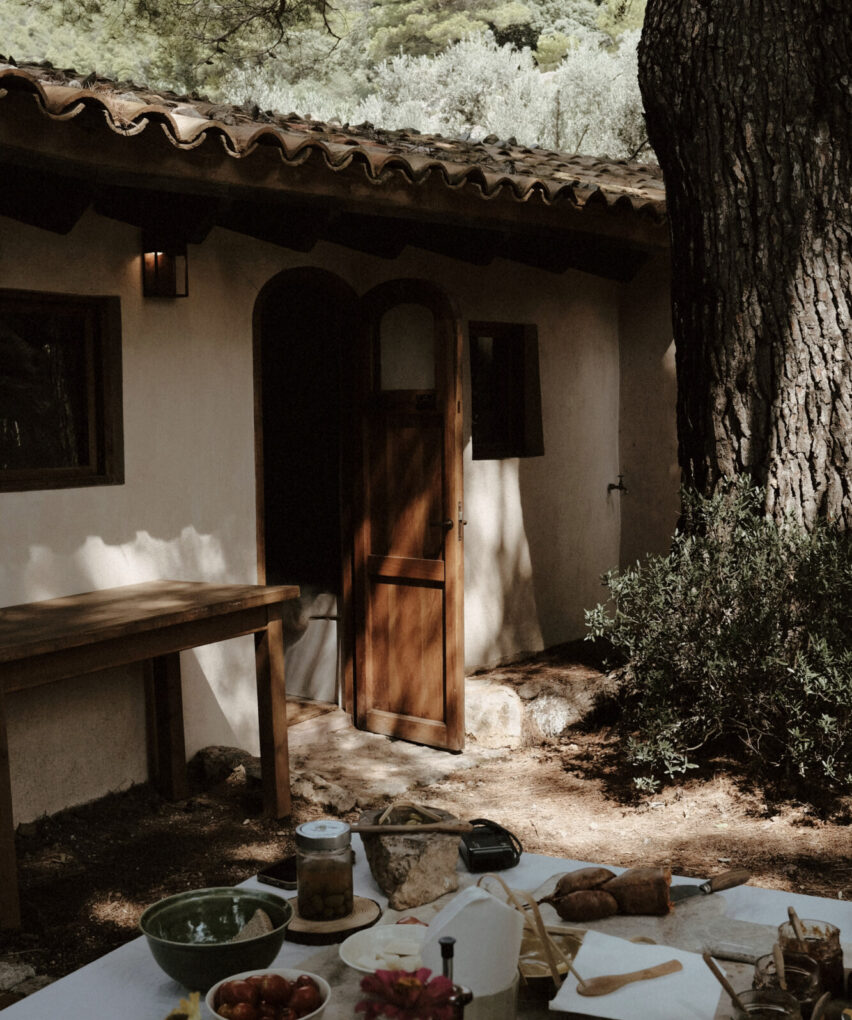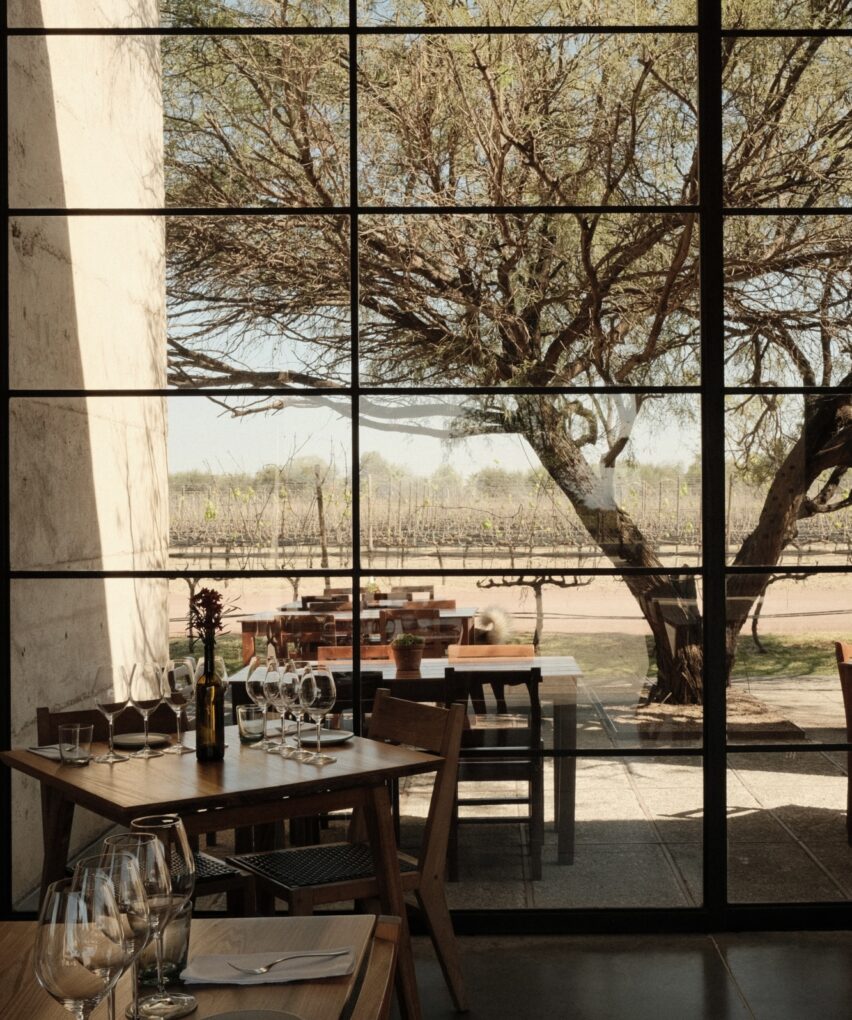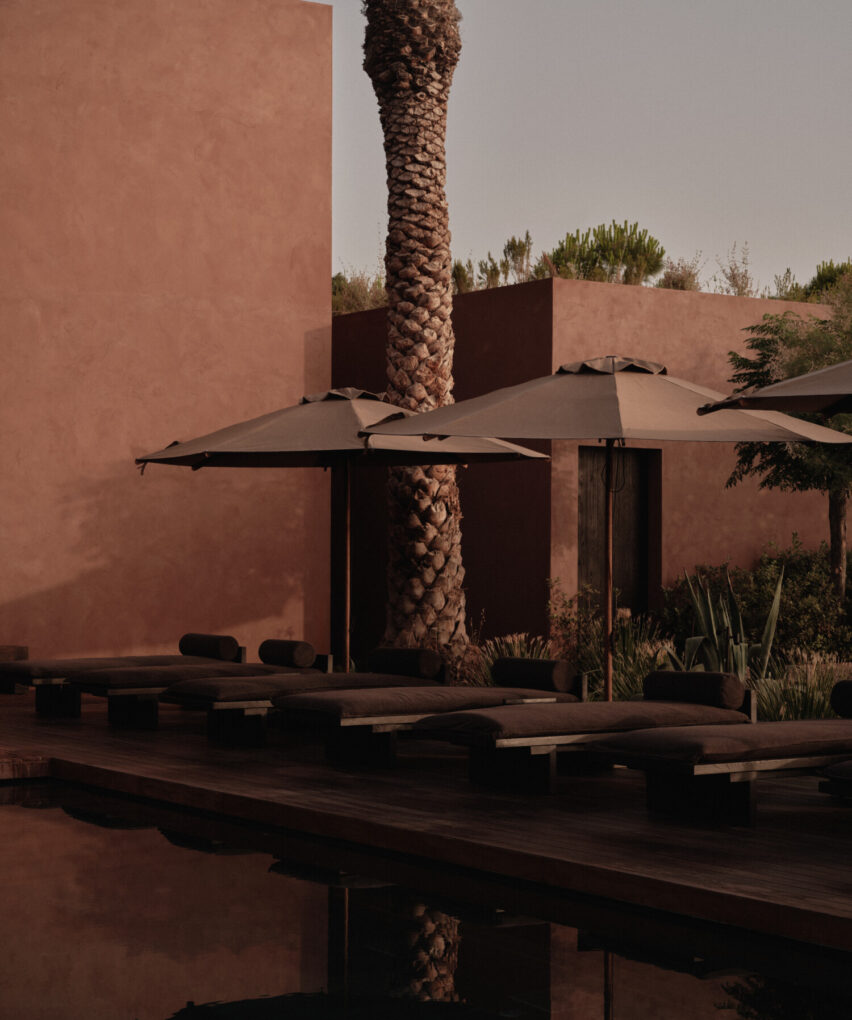
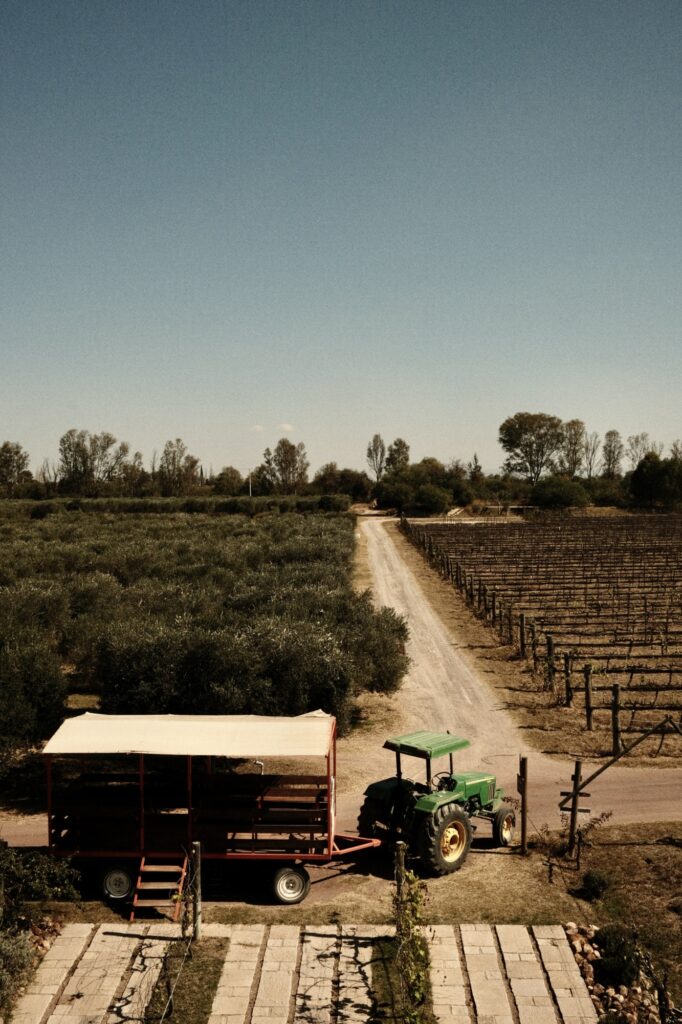
In the high-altitude plains of Guanajuato, where the desert sun meets a horizon of silver-green vines, sits a winery that feels like a tectonic shift in Mexican design. Cuna de Tierra is a masterclass in contextual architecture by the Mexico City studio CCA (Centro de Colaboración Arquitectónica). It is a destination where the winemaking process is not just housed, but physically birthed from the very soil it celebrates.
The Materiality of the Site
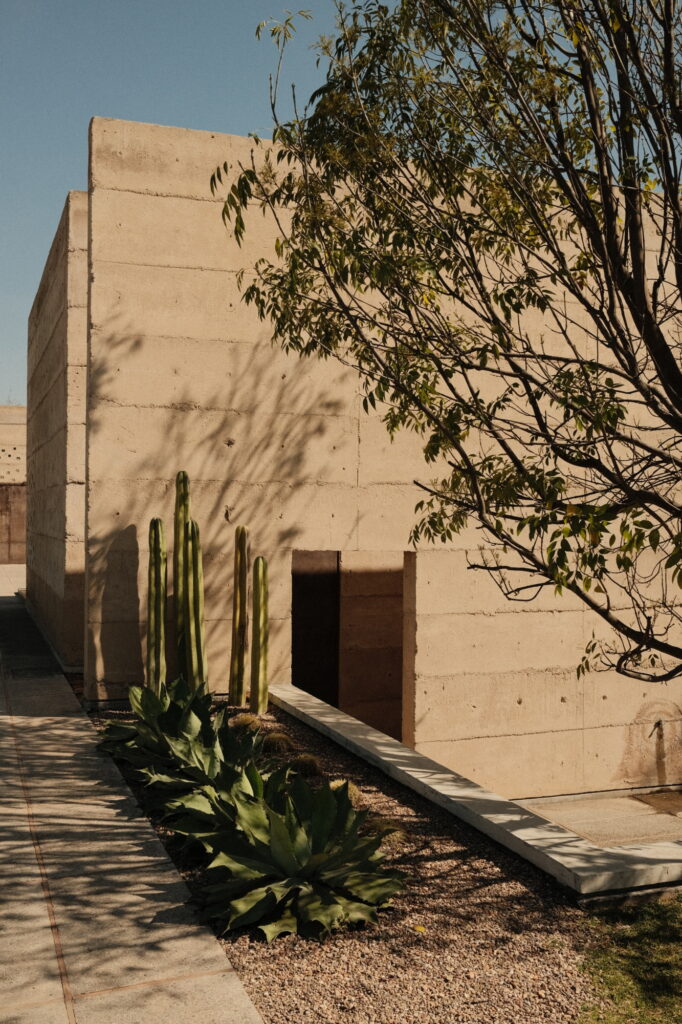
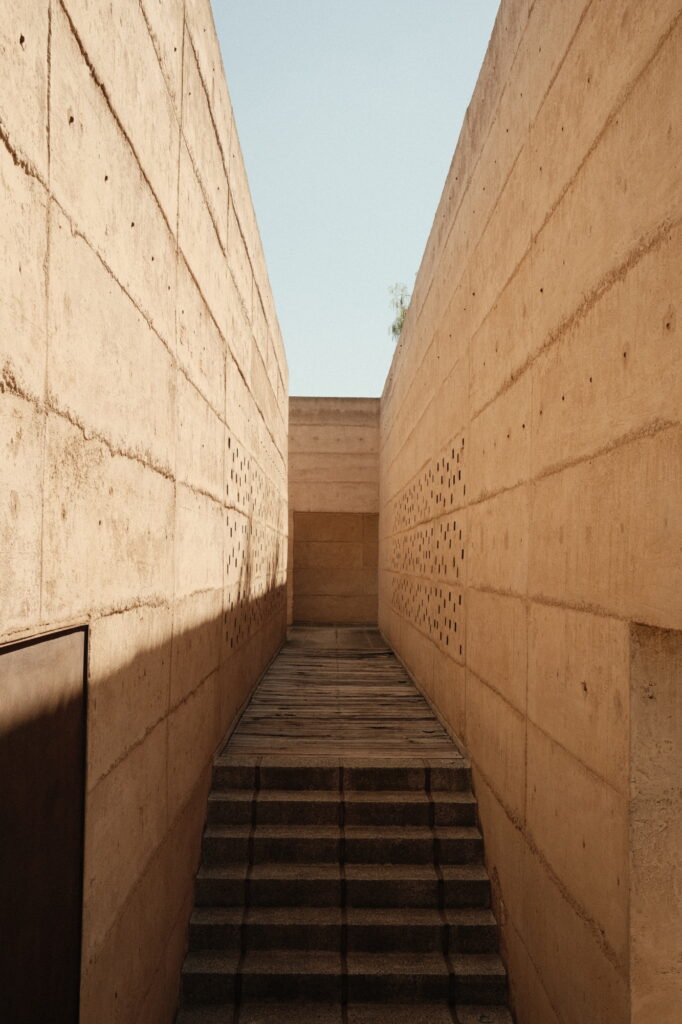
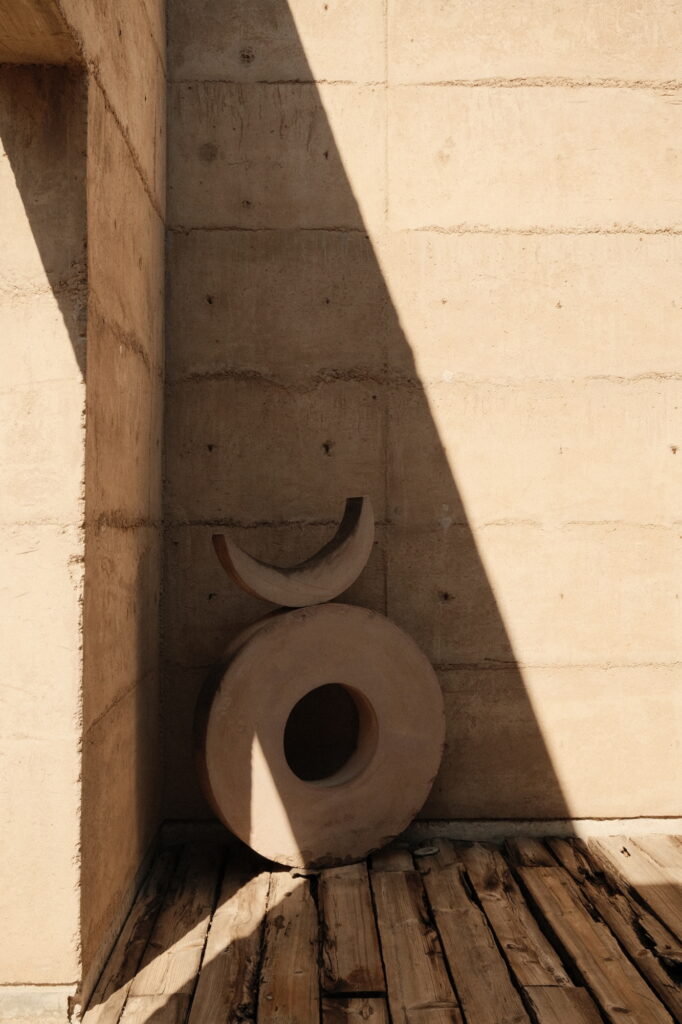
The brilliance of CCA’s design lies in its profound restraint. Rather than imposing a grand monument upon the landscape, architects Bernardo Quinzaños and Ignacio Urquiza chose to build with the earth itself. The primary material is tepetate colado, or poured local soil. This choice creates a seamless chromatic transition from the vineyard floor to the winery walls, making the structures appear as though they have emerged naturally from the ground.
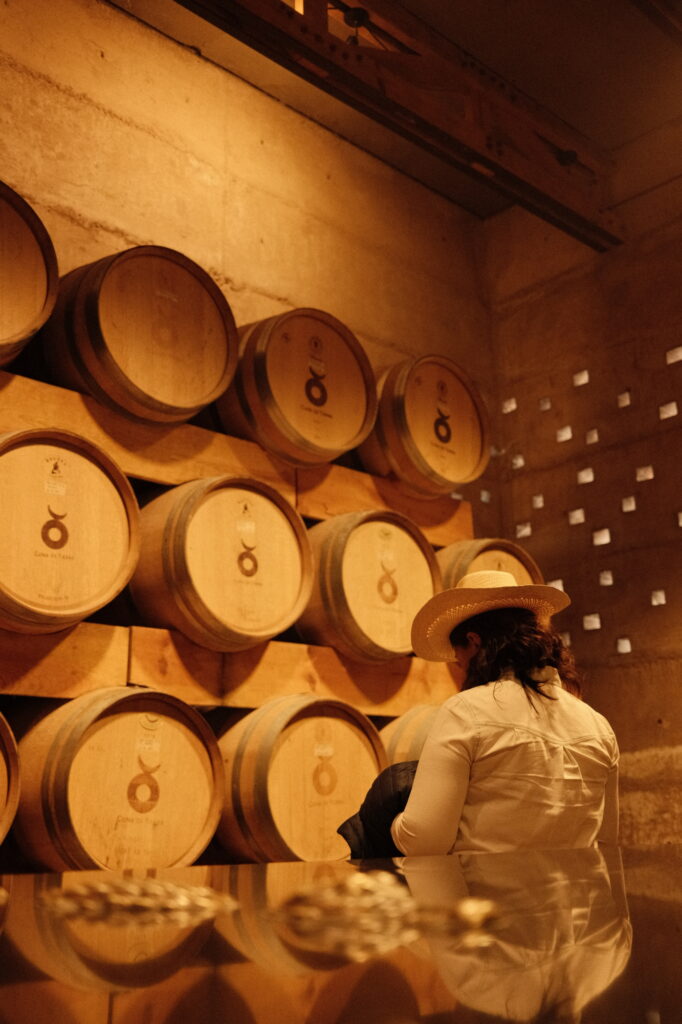
These monolithic walls are not merely aesthetic. They serve a functional purpose rooted in the ancient logic of thermal mass. In the intense heat of the Mexican plateau, these earthen barriers keep the fermentation tanks and oak barrels in a state of constant, cool darkness.
An Intermittent Experience
Exploring Cuna de Tierra is an exercise in the experience of intermittency. The winery is composed of independent volumes connected by voids and tensions. You move from the blinding, expansive light of the vineyards into the cool, shadowed corridors of the production area.
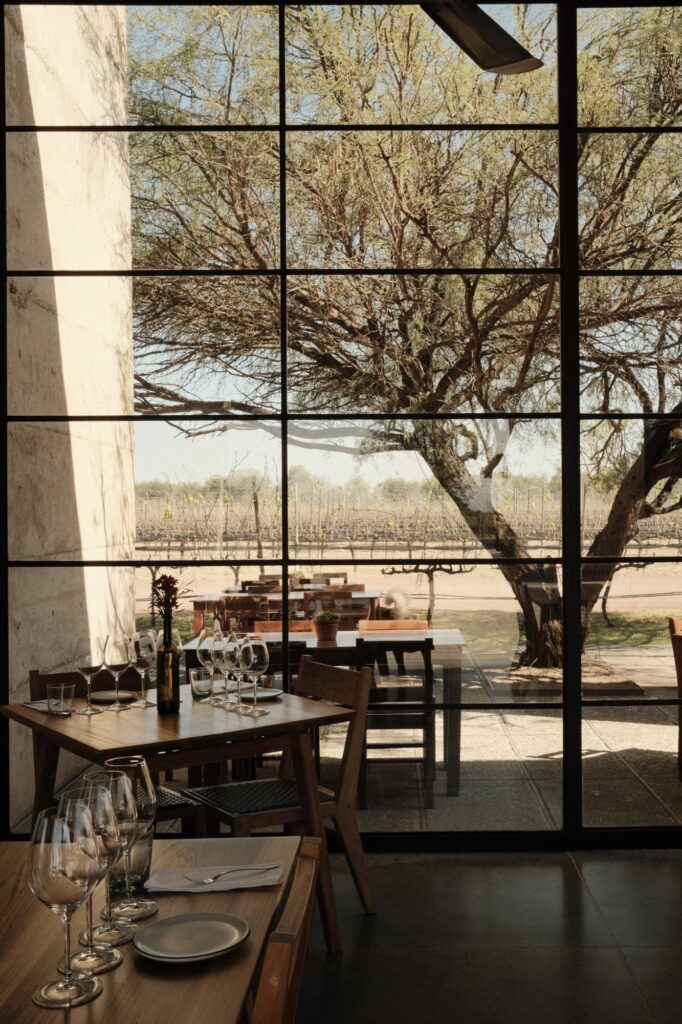
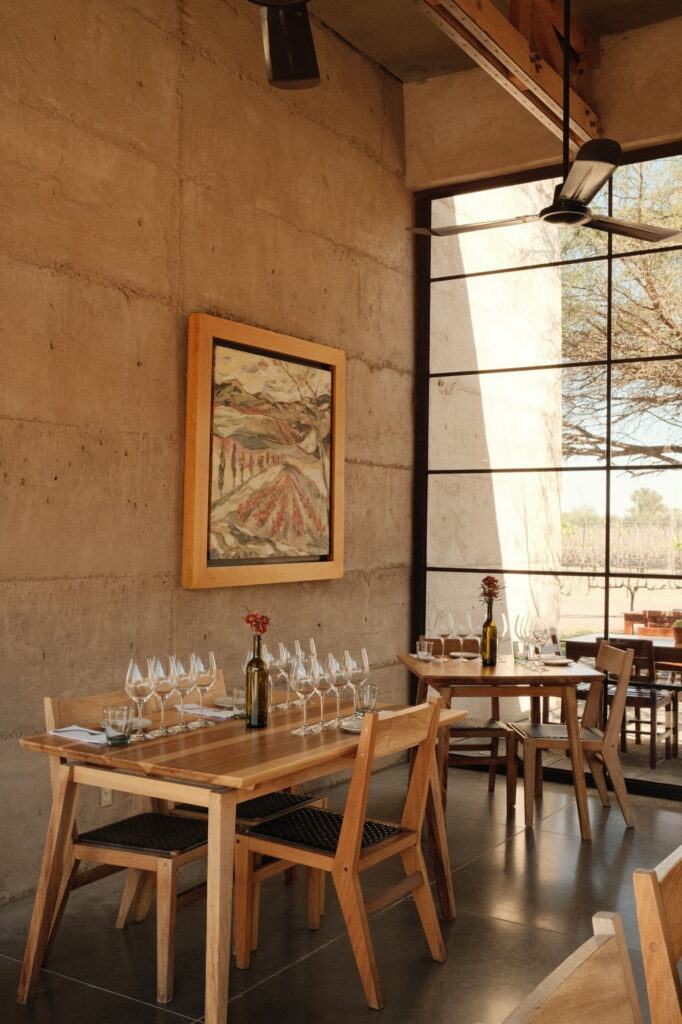
The Torre de Tierra acts as the project’s focal point. This vertical slab offers a panoramic view of the terroir. It is here that the sensory journey begins: a glass of Cabernet Franc in hand while looking out over the rows of vines that have survived this terrain since the first plantings in 1993.

The Soul in the Soil
While many modern wineries lean into high-tech industrialism, Cuna de Tierra feels primordial. The design acknowledges that wine is a living thing requiring darkness, stillness, and breath. The independent structures allow for natural ventilation and a play of light that changes throughout the day, highlighting the rough, honest texture of the poured soil.
At its core, Cuna de Tierra is a bridge between Mexico’s colonial history and its contemporary design future. It honors the history of the land while standing as a celebrated winner of the Mexican Architecture Biennial.
Why visit?
We are drawn to spaces that possess a true “Sense of Place.” Cuna de Tierra does not try to be a Tuscan villa or a Napa estate. It is unapologetically Guanajuatan. It reminds us that luxury is often found in the most humble of materials like earth, light, and time when handled with intentionality and architectural grace.
- The Experience: Opt for the guided tasting and food pairing to experience how the winery’s legacy labels interact with seasonal, locally sourced ingredients.
- The Design Detail: Look for the tension between the voids. The empty spaces between the buildings are just as curated as the rooms themselves.
- Location: Dolores Hidalgo, Guanajuato, Mexico. This is a must-visit destination for travelers staying in nearby San Miguel de Allende.
Images courtesy of Sasha Personick for KOBU