Orient Express La Minerva
Three days photographing a new expression of Orient Express in Rome and finding a contemporary visual rhythm within a 17th-century palazzo.
September 10, 2026
Editorial Project
- Property
- Orient Express La Minerva
- Location
- Rome, Italy
- Production
- Three days on property | June 2026
- Scope
- Architecture, hospitality, signature suite, wellness offerings
- Creative team
- Photography by Sasha Personick for KOBU
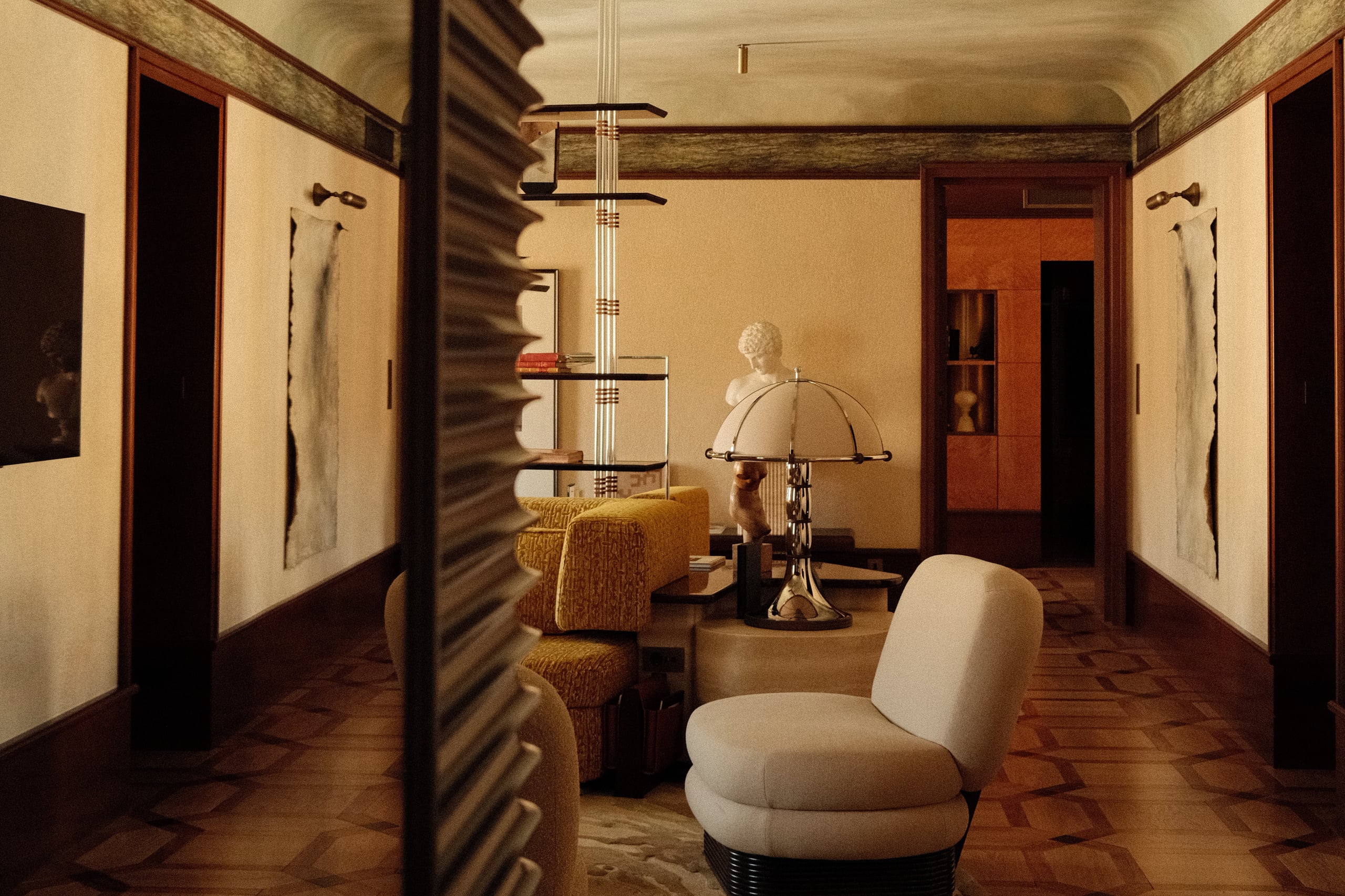
Shortly after its opening, KOBU photographed Orient Express La Minerva in Rome, creating a visual library of the hotel across architecture, interiors, design, wellness and hospitality.
Set inside a historic palazzo near the Pantheon, La Minerva brings together the character of the original building with interiors by architect and designer Hugo Toro.
Our focus went beyond photographing the rooms. We wanted to show Toro's design and the architecture of the palazzo, but also the details, service and atmosphere that make La Minerva feel like a hotel rather than simply a beautiful interior.
The photography covered the main public spaces, Hugo Toro's design details, hospitality and guest experience, the spa and hammam, and the signature La Minerva Suite.
Creating a photography library for a newly opened hotel
For a new hotel opening, photography is often one of the first ways guests, editors and the wider hospitality industry experience the property.
The images need to clearly show the architecture and interiors, while creating enough variety for editorial, marketing, PR, social and digital use. For Orient Express La Minerva, we focused on:
The architecture and history of the palazzo | Hugo Toro's interiors and design details | The scale and layout of the main spaces | The signature La Minerva Suite | The spa and hammam | Hospitality and service | The hotel's relationship with Rome | A mix of wide views, close details, horizontal and vertical compositions
Wide architectural photographs were important for showing each space clearly, but we did not want the final library to consist only of empty rooms. Details, objects, materials, food and moments of service helped us build a fuller picture of the hotel and what it feels like to stay there.
Photographing Hugo Toro's interiors at La Minerva
Hugo Toro's interior design was one of the main subjects of the photography. Throughout La Minerva, layers of wood, patterned floors, custom furniture, lighting, artwork, fabrics and decorative objects give each space its character.
We moved between full-room views and much closer details. A wide photograph might establish a salon or suite, while the next image focuses on a piece of furniture, the pattern of the floor, artwork or lighting.
This balance was important because much of the character of La Minerva is found in the smaller design decisions. Together, the architectural photographs and closer interior details give a more complete view of Toro's work throughout the hotel.


Hospitality photography beyond the interiors
One of our priorities was to make sure La Minerva felt like a hotel in operation. Architectural photography can easily become a collection of perfectly arranged but empty spaces. For hospitality photography, that only tells part of the story.
We photographed moments of service and guest experience alongside the architecture. A table being prepared, a drink being served, food arriving or someone moving through a room can completely change the feeling of an image.
We kept these moments simple and natural. Human presence was there to show how the hotel is used and experienced, rather than to turn the shoot into a staged lifestyle campaign. The result allowed the photography to move naturally between architecture, interior design and hospitality.

The Spa and Hammam
The spa and hammam required a different approach from the brighter public spaces of the hotel.
These spaces are quieter, darker and more enclosed. We worked with the existing low light and focused on stone, texture, water, reflections and the atmosphere of the rooms.
Alongside wider photographs showing the spaces clearly, we created closer images of their materials and details. The aim was to show the design while also communicating the quieter feeling of entering the spa and hammam.


The signature La Minerva Suite
The La Minerva Suite was another important part of the photography. For the hotel's signature accommodation, we wanted to clearly show the rooms and their proportions while also capturing the details that give the suite its character.
We photographed the suite from wider angles, then moved closer to furniture, artwork, objects and materials.
Rather than treating each area as a separate photograph, we approached the suite as a sequence. The final images move between the rooms and details to give a sense of discovering the space as a guest would.


Architectural photography inside a historic Roman palazzo
Photographing a historic hotel means working with the character of the building rather than trying to simplify it.
At La Minerva, the proportions of the palazzo, its ceilings, windows, corridors and decorative elements are always present. We used doorways, mirrors, adjoining rooms and views through different spaces to show the depth of the property.
Light also changed considerably throughout the hotel. We worked with each space individually, photographing it according to its available light and character rather than applying the same approach everywhere.
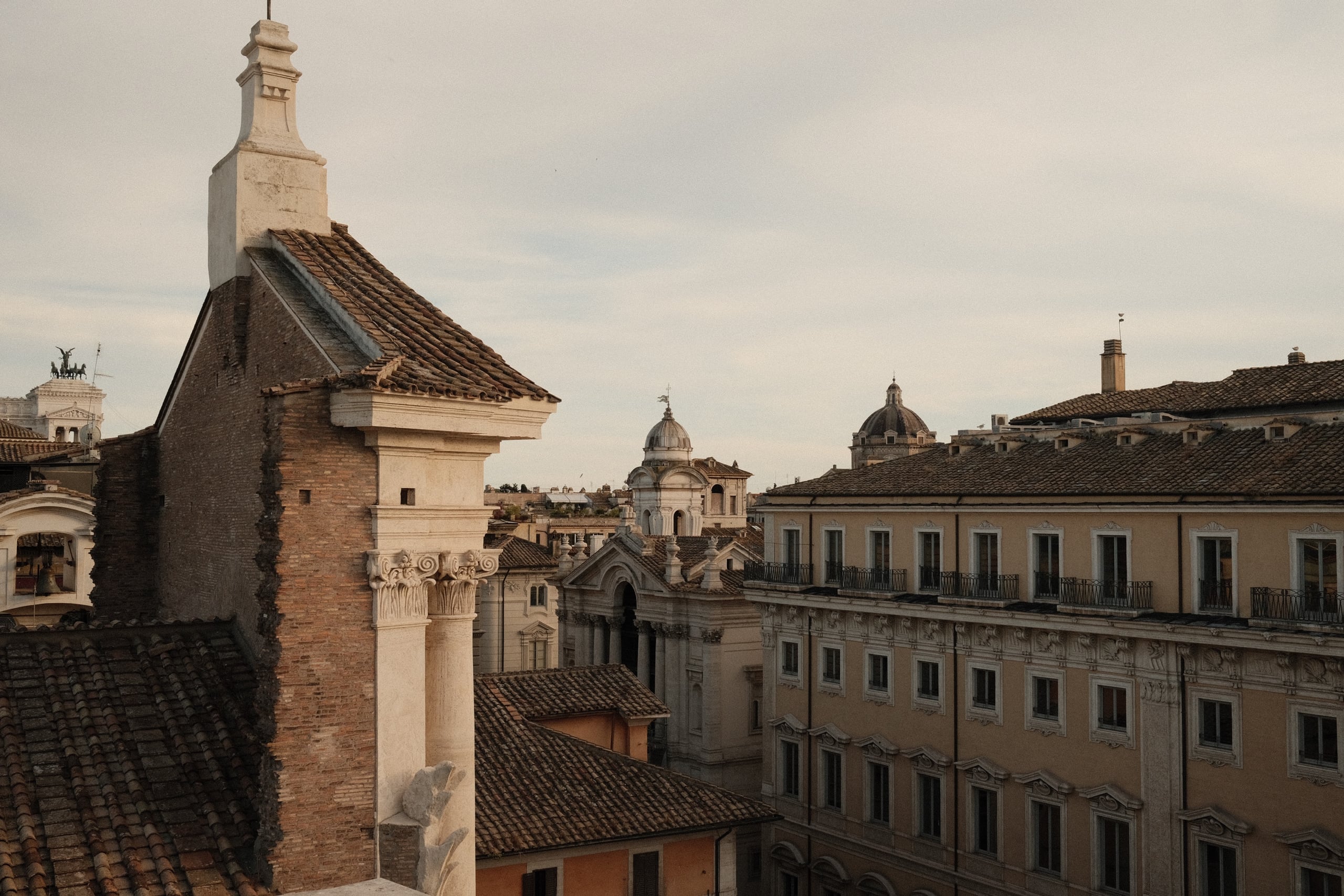
Rome was equally important to the story. La Minerva's location near the Pantheon is a major part of the experience, so views, rooftops, exterior light and glimpses of the city became part of the photography.
Rather than treating Rome as a separate destination story, we included it naturally wherever the architecture opened towards the city.


Building the final hotel photography library
The final La Minerva series brought together architectural photography, interiors, Hugo Toro's design details, accommodation, spa and wellness, food and beverage, hospitality, service and the surrounding Roman context.
We also photographed with different uses in mind, creating horizontal and vertical compositions, tighter details and wider establishing images.
The aim was to create variety without losing a clear visual identity. One photograph might explain a room, another highlight the work of the designer, and another show a small moment of hospitality.
Together, the images form our photographic portrait of the newly opened Orient Express La Minerva and the different elements that define the experience of staying there.
Hospitality Photography by KOBU
KOBU works with hotels, resorts and hospitality brands on commissioned photography around the world, creating visual libraries across architecture, interiors, design, wellness, food and beverage, and guest experience.
Planning a hotel opening, renovation or new photography commission? Get in touch with KOBU to discuss your project.
View the full Orient Express La Minerva photography series or explore KOBU Photography and our recent hospitality photography projects.
KOBU Photography
Distinctive image libraries for luxury hotels, residences, developments, and the teams that bring them to market.
Selected work
Read More.
Conversation
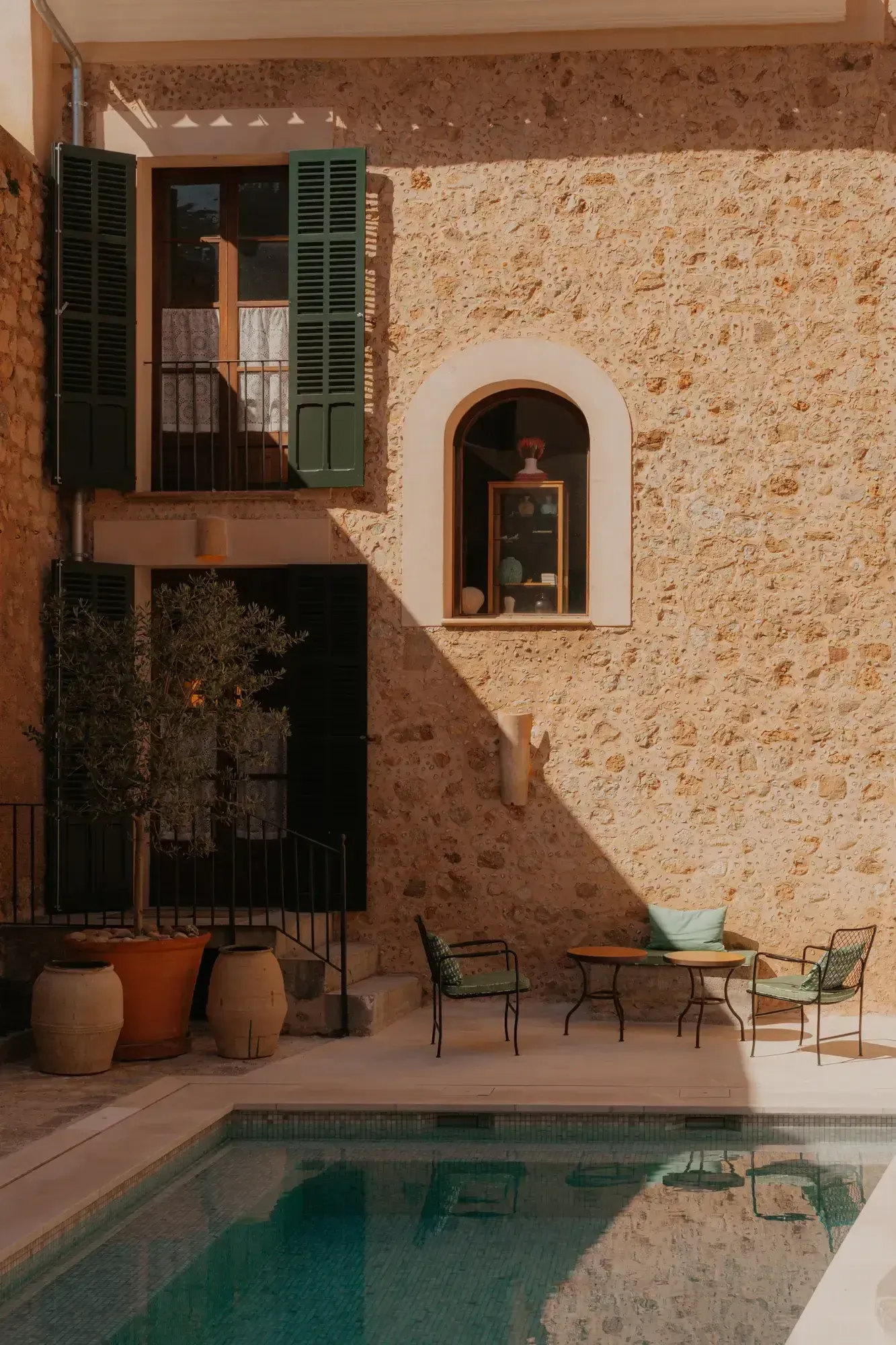
By Milagro: The team behind Mallorca's new wave of design stays
Last year, team KOBU embarked on an exciting journey, choosing to spend the month of September exploring the enchanting island of Mallorca. Known for its breathtaking landscapes, rich cultural heritage, and vibrant Mediterranean charm, Mall…
Note
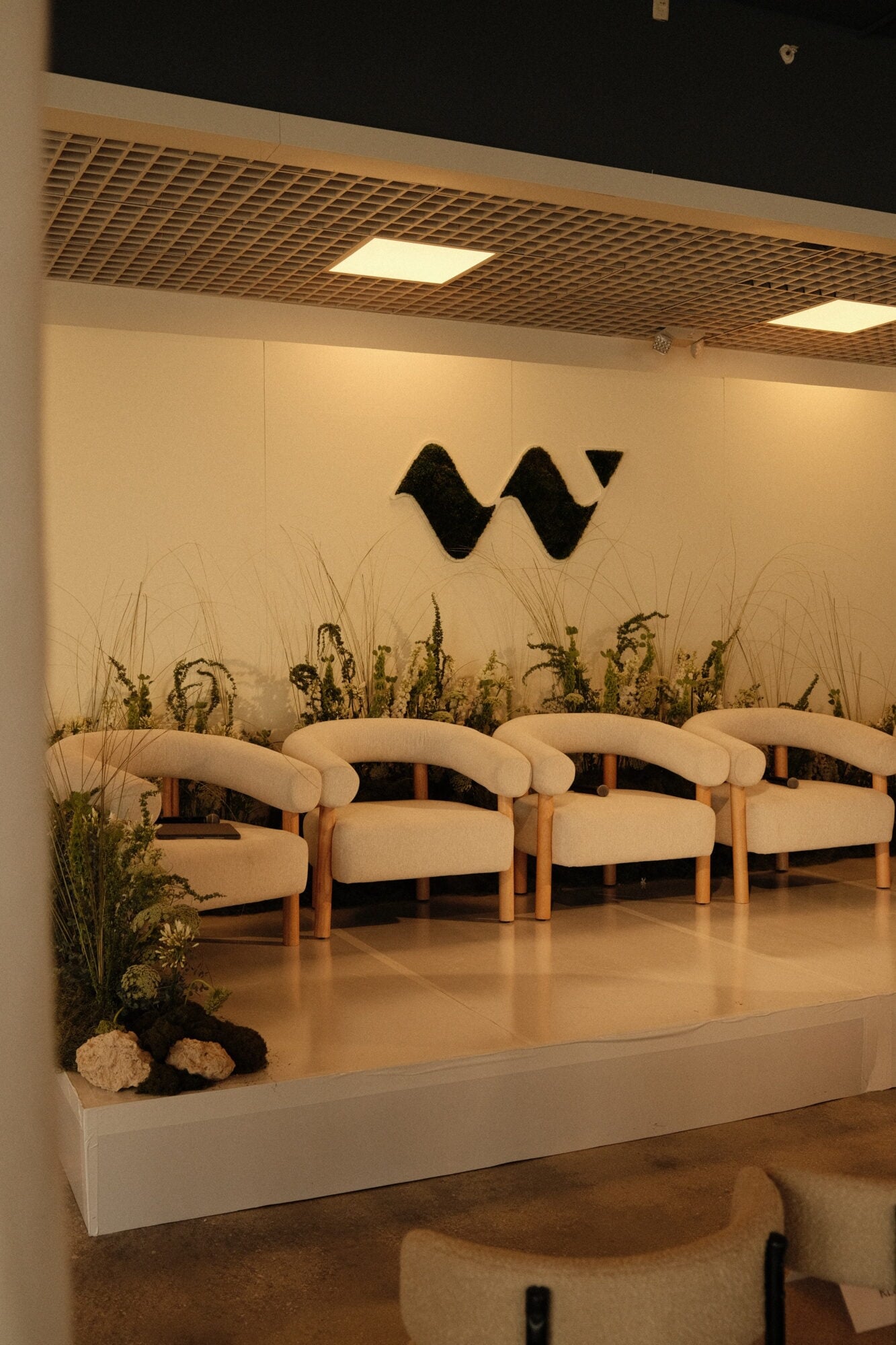
The New Frontier of High-Fidelity Hospitality
How medical-grade wellness and longevity are reshaping the luxury travel experience — and why the most forward-thinking properties in the world are redefining what it means to take care of a guest.Wellist Week is the first citywide wellness…
Note
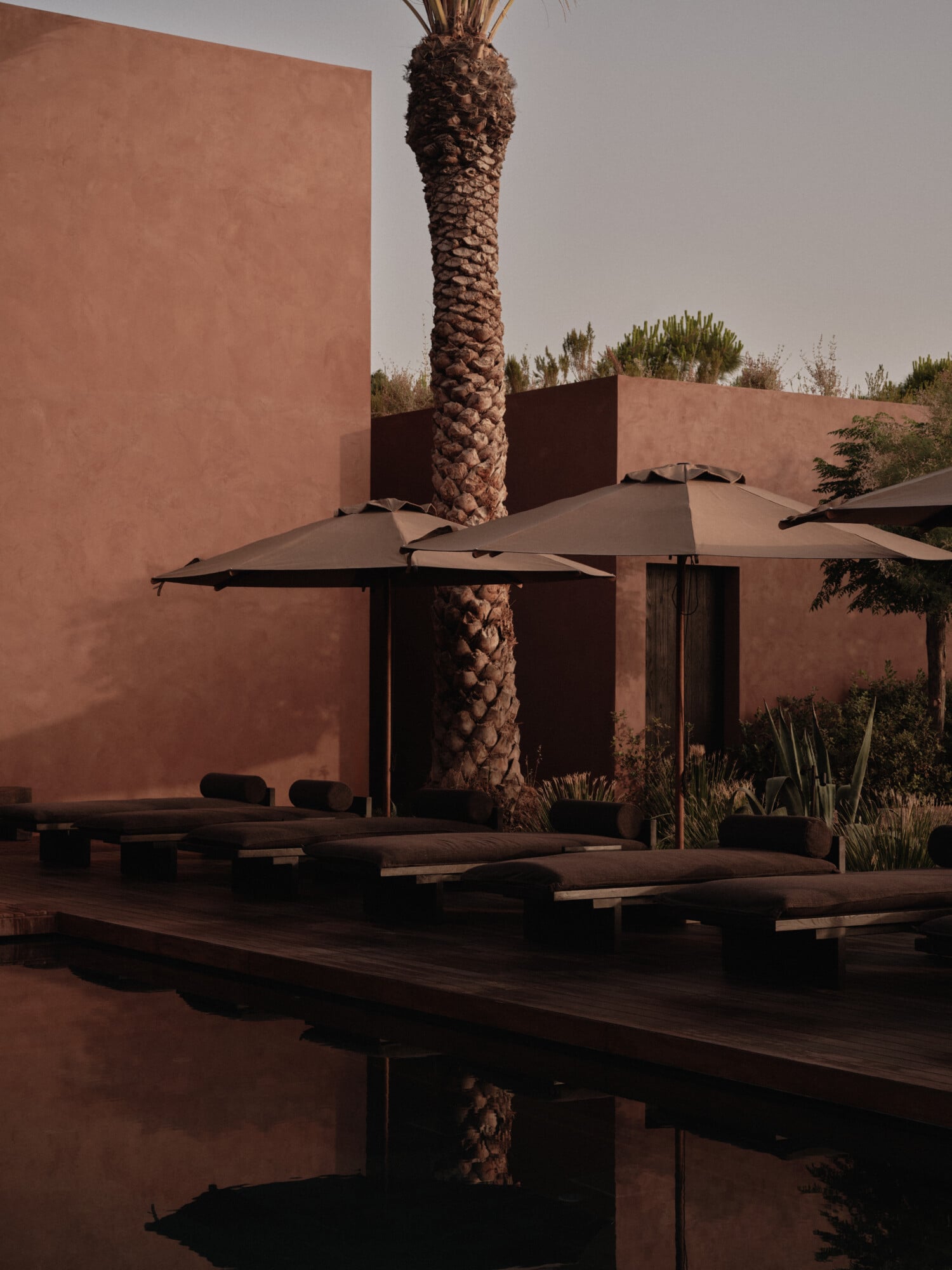
The Evolution of Wellbeing: Scorpios' Transition into Wellness
On the cerulean shores of the Aegean Sea, where the rhythms of nature meet ancient energy, a new kind of sanctuary is emerging. Scorpios Bodrum, long known for its ethereal design and iconic sunset gatherings, is stepping into a new dimensi…